Mouth Breathing & Oral Development Evaluations
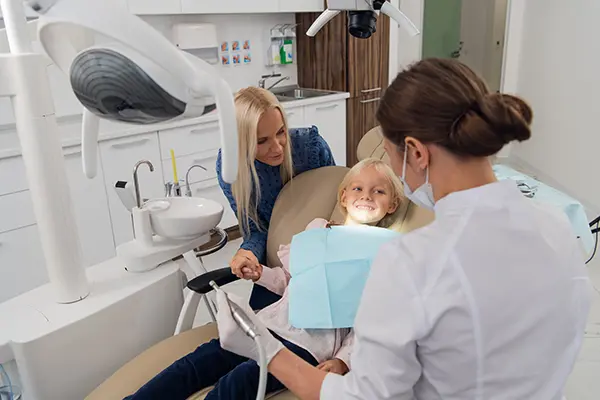 A mouth breathing & oral development evaluation helps families understand whether a child’s breathing habits, oral posture, and growth patterns may be affecting development. This type of mouth breathing assessment is designed to look at the big picture: how your child breathes (nose vs. mouth), how the tongue and lips rest, and how the jaws, palate, and bite appear to be developing. A mouth breathing & oral development evaluation helps families understand whether a child’s breathing habits, oral posture, and growth patterns may be affecting development. This type of mouth breathing assessment is designed to look at the big picture: how your child breathes (nose vs. mouth), how the tongue and lips rest, and how the jaws, palate, and bite appear to be developing.
Parents often seek a mouth breathing evaluation for children after noticing ongoing patterns such as open-mouth posture, snoring, restless sleep, chronic congestion, speech or chewing concerns, crowding, or a narrow-looking palate. The goal is not to self-diagnose at home, but to get a structured oral development evaluation with clear next steps based on what is observed.
This visit focuses on assessment and recommendations, not treatment that day. At the end of the evaluation, families typically understand what may be contributing, how significant the findings appear, what the potential impact is, and what the next best step may be for their child’s age and growth stage.
What This Evaluation Is and What It Answers
A mouth breathing & oral development evaluation is a focused visit that screens for airway-related and functional factors that can influence how a child’s mouth and face develop. It looks at breathing patterns, resting posture, and growth trends that may connect with oral development over time.
A pediatric oral development evaluation can help answer questions families commonly have, including:
| • |
Is my child mostly breathing through the mouth, the nose, or both? - Clinicians look for patterns and triggers that may point toward persistent mouth breathing.
|
| • |
What might be contributing? - The evaluation considers factors like congestion history, oral posture, habits, and possible airway concerns that may warrant further medical input.
|
| • |
Could this be affecting oral development? - Findings may relate to palate shape, bite relationship, crowding tendencies, and growth direction patterns.
|
| • |
How urgent is this? - Families receive context on severity indicators and what can reasonably be monitored versus addressed sooner.
|
| • |
What should we do next? - Next steps may include monitoring, supportive coaching, dental or orthodontic considerations, or referral for medical evaluation when indicated. |
This is an evaluation visit, not a guarantee of a specific diagnosis or a one-visit solution. It is meant to provide a clearer picture of airway and growth-related factors and a practical plan for what to do next.
Why Mouth Breathing Can Affect Oral and Facial Development
Breathing is closely tied to oral posture, especially where the tongue rests, whether the lips stay gently closed at rest, and how the jaws position during growth. When a child regularly breathes through the mouth, it may be associated with changes in resting posture that can influence development over time.
During an airway and oral development evaluation, clinicians often discuss how these factors can relate to:
| • |
Tongue posture - A low or forward tongue-resting pattern may be associated with changes in palate and arch development.
|
| • |
Lip seal and facial muscle balance - Chronic open-mouth posture can affect how muscles function at rest and during swallowing.
|
| • |
Dental arch development - Mouth breathing patterns may correlate with narrower arch development in some children, which can influence crowding tendencies.
|
| • |
Jaw growth direction - Growth patterns vary, but clinicians may note facial growth direction observations and how function can relate to development.
|
| • |
Sleep-disordered breathing questions - Families often ask about snoring and restless sleep, and the evaluation helps determine whether further discussion with a medical provider may be appropriate. |
An evaluation helps identify contributing factors and patterns. It is not meant to replace medical diagnosis for airway obstruction, allergies, or sleep disorders, but it can be a useful screening step when mouth breathing seems persistent.
Signs Your Child Might Benefit From an Evaluation
Many children occasionally breathe through the mouth during colds or seasonal congestion. An evaluation is often more helpful when families notice a pattern of signs over time, not just a single symptom on an isolated day.
Daytime signs families commonly notice include:
| • |
Open-mouth posture at rest - Lips often apart when relaxed, watching TV, reading, or riding in the car.
|
| • |
Audible breathing - Breathing sounds at rest that seem more noticeable than peers.
|
| • |
Dry lips or frequent thirst - Especially if your child often wakes with a dry mouth.
|
| • |
Chronic congestion or “always stuffy” history - Even when not acutely sick.
|
| • |
Speech or articulation concerns - Certain sounds or patterns that raise questions about oral posture or function.
|
| • |
Chewing or swallowing patterns - Messy eating, slow chewing, or visible effort during swallowing may be worth discussing. |
Nighttime signs families often mention include:
| • |
Snoring - Especially if frequent or paired with restless sleep.
|
| • |
Restless sleep - Frequent movement, tossing/turning, or unusual sleep positions.
|
| • |
Waking tired - Even after a full night of sleep.
|
| • |
Teeth grinding - Common in children and not always a concern, but worth noting alongside other signs.
|
| • |
Bedwetting associations - Not a guaranteed link, but sometimes mentioned alongside sleep and breathing concerns. |
Oral development and posture signs that may prompt an early oral development screening include:
| • |
Narrow-looking palate - The upper arch appears “tight” or narrow, sometimes noticed during brushing.
|
| • |
Crowding tendencies - Teeth seem to have limited space as they erupt.
|
| • |
Bite concerns - Front teeth or back teeth relationships that seem off, or a bite that looks uneven.
|
| • |
Forward head posture observations - Head carried forward or mouth open posture noted in photos or at rest. |
Growth changes quickly in childhood, so screening early can be helpful when signs are persistent. A single sign may not mean a problem, but a consistent cluster of signs is often a good reason to schedule a mouth breathing evaluation for children.
What Happens During a Mouth Breathing and Oral Development Evaluation
A mouth breathing and oral development evaluation at Arlington Pediatric Dentistry typically follows a structured, child-friendly flow. The evaluation is tailored to your child’s age, comfort, and ability to cooperate, so the team can gather meaningful information without turning the visit into a stressful experience.
Common parts of the visit include:
Intake and history
Your dental team reviews concerns and relevant history, such as breathing habits, sleep quality, allergy or congestion patterns, and any prior evaluations. If applicable, families may also discuss feeding history, oral habits, and any speech or chewing concerns they have noticed.
Clinical observations
Clinicians look at signs that can relate to airway and function, including:
| • |
Nasal vs. oral breathing patterns - Observations of breathing at rest and possible triggers.
|
| • |
Lip seal - Whether lips rest together comfortably or remain open.
|
| • |
Tongue resting posture - Where the tongue appears to rest and how it functions during swallowing.
|
| • |
Oral tissue checks - General oral health screening and soft tissue observations relevant to posture and function.
|
| • |
Bite and arch development - How teeth fit together, arch shape, and development trends. |
Growth and development assessment
Your child’s growth patterns are reviewed through facial symmetry observations, jaw relationship screening, palate shape, and functional habits. This is often where families get clarity on whether the current pattern appears typical for age or suggests something that should be watched more closely.
If photos and/or imaging are used, the purpose is usually documentation and growth assessment. The team explains why any records are helpful and how they support evaluation findings and future comparisons.
Common Findings and What They May Suggest
Families often want to know what “counts” as a meaningful finding. The goal of this visit is to organize observations into understandable categories, using cautious language such as may be associated with rather than making assumptions.
Examples of findings that may come up include:
Airway and breathing pattern findings
| • |
Suspected nasal obstruction patterns - Mouth breathing may be more noticeable during rest, sleep, or times of congestion, which may suggest the need for medical input.
|
| • |
Enlarged tissue suspicion - Some patterns may raise questions about tonsils or adenoids, which may warrant an ENT or pediatric evaluation.
|
| • |
Habit-related mouth breathing - In some cases, mouth breathing continues even after congestion improves, and function-focused support may be considered. |
Oral development findings
| • |
Narrow palate tendencies - A narrower upper arch may be associated with crowding tendencies and bite development patterns.
|
| • |
Crowding risk indicators - Limited space for erupting teeth or early arch shape trends that suggest future crowding.
|
| • |
Bite relationships - Crossbite tendencies, overbite/overjet patterns, or asymmetries that may be monitored or discussed further.
|
| • |
Jaw growth direction patterns - Observations related to jaw growth and development that may support earlier screening or coordinated care. |
Functional findings
| • |
Tongue posture - Low resting posture or a forward pattern that may be associated with arch development and swallowing patterns.
|
| • |
Swallowing patterns - A tongue-thrust or compensatory swallow pattern that may be discussed as a myofunctional concern.
|
| • |
Lip strength and closure concerns - Difficulty maintaining comfortable lip seal at rest or during simple tasks. |
When appropriate, Arlington Pediatric Dentistry may recommend further medical evaluation to explore possible airway obstruction, allergies, or sleep-related concerns. This approach supports accurate diagnosis and avoids guessing based on dental findings alone.
Recommendations After the Evaluation
At the end of a pediatric oral development assessment, families typically receive a clear summary of what was observed, what appears most relevant, and what options may make sense for the child’s age and growth stage.
Recommendations commonly include:
| • |
Summary of findings and observed risk factors - Clear explanation of breathing patterns, posture observations, and growth-related notes.
|
| • |
Monitoring plan - When findings appear mild or still changing with growth, the team may recommend watchful tracking over time.
|
| • |
Habit and posture coaching - Guidance related to nasal breathing support strategies and oral posture habits, when appropriate.
|
| • |
Orthodontic considerations - Discussion of timing and options if arch development, crowding, or bite relationships suggest earlier orthodontic screening could help.
|
| • |
Myofunctional therapy coordination - When functional patterns such as tongue posture or swallow suggest benefit from targeted therapy support.
|
| • |
Medical referral when indicated - Coordination with pediatricians, ENTs, sleep specialists, or other providers when airway or sleep-disordered breathing concerns require medical evaluation. |
Recommendations are individualized. Some children need only monitoring and supportive coaching, while others benefit from multidisciplinary coordination depending on what is found.
If families have questions about insurance coverage, coverage can vary by plan and service type, so calling Arlington Pediatric Dentistry is typically the best way to learn what applies to your situation.
Who Performs These Evaluations and How They Fit With Other Care
At Arlington Pediatric Dentistry, these evaluations are performed by our dental team as a focused screening and assessment visit for airway-related patterns, oral posture, and growth. The goal is to connect functional observations with oral development trends, then coordinate care when needed.
This visit is different from other common appointments in important ways:
| • |
Compared with a routine dental exam
- Routine care focuses on teeth and gums, while this evaluation adds structured screening of breathing patterns, posture, and development trends.
|
| • |
Compared with an orthodontic consult - Orthodontic visits often center on alignment and bite correction, while this evaluation integrates airway, function, and craniofacial growth observations together.
|
| • |
Compared with a medical airway visit - Medical providers evaluate airway health and sleep concerns, while this evaluation screens for oral development and functional patterns that may relate and helps coordinate next steps. |
A combined airway and oral development evaluation can be helpful for children with persistent mouth breathing signs because it brings breathing, function, and facial growth patterns into the same conversation, supporting more informed decisions about monitoring and timing of care.
FAQs
At what age should my child have a mouth breathing evaluation for children?
There is no single perfect age, but earlier screening can be helpful when signs are persistent and growth is still changing. Many families schedule an evaluation when they notice an ongoing pattern of mouth breathing, snoring, chronic congestion, or visible oral development changes.
Is mouth breathing always a problem?
Not always. Mouth breathing can be temporary during colds or allergies. An evaluation is most useful when mouth breathing appears frequent, persistent, or combined with other concerns such as snoring, restless sleep, or oral development changes.
Will my child need imaging during an oral development evaluation for kids?
Not necessarily. Some evaluations can be completed with history and clinical observations alone, while others may include photos or imaging for documentation and growth assessment. Your dental team will explain what is recommended and why.
What if my child is anxious or cannot sit still?
The evaluation can be adjusted to your child’s age and comfort level. The team can often gather useful information through gentle, brief observations and may recommend a follow-up approach if your child needs more time to acclimate.
What is the difference between an airway evaluation and an oral development evaluation?
An airway evaluation focuses more directly on breathing and possible airway contributors, often involving medical assessment when needed. An oral development evaluation focuses on growth patterns of the jaws, palate, bite, and functional habits. A combined airway and oral development evaluation looks at breathing, posture, and growth together to clarify contributing factors and next steps.
Will insurance cover a mouth breathing assessment or pediatric oral development assessment?
Coverage varies by plan and by how services are categorized. If insurance is a concern, calling Arlington Pediatric Dentistry is the best way to learn what may apply for your child’s evaluation.
Schedule a Mouth Breathing & Oral Development Evaluation
If you have noticed persistent mouth breathing, sleep concerns like snoring or restless sleep, or oral development red flags such as crowding or a narrow-looking palate, a mouth breathing & oral development evaluation can provide clarity and a plan.
Helpful items to bring or prepare include:
| • |
Notes about symptoms - When you notice mouth breathing, snoring, congestion, or daytime fatigue patterns.
|
| • |
Prior reports - Any relevant notes or records from prior medical or dental evaluations, if available.
|
| • |
Medication and allergy information - Especially if congestion, allergies, or asthma history is part of the picture. |
After you book, families typically receive appointment confirmation and any intake forms needed before the visit. Visit length can vary based on the child’s age and what is needed for assessment, and your dental team will guide you through what to expect.
Call our office at 360-657-1650 to schedule an evaluation.
Request an appointment to discuss your child’s symptoms and next steps. |

