Pediatric Dental Cleanings for Kids
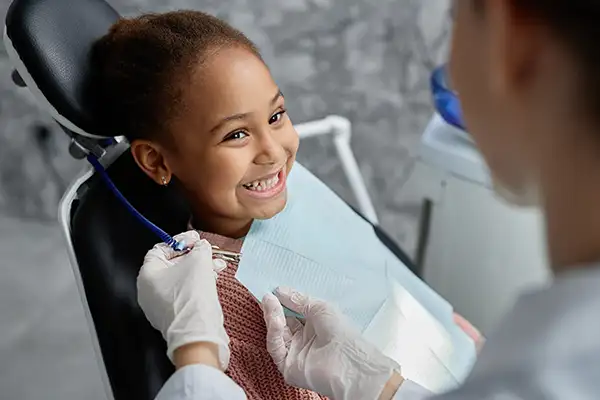 Pediatric dental cleanings help keep your child’s teeth and gums healthy by removing plaque and buildup that at-home brushing and flossing can miss. During children’s dental cleanings, the dental team gently cleans and polishes teeth, checks for early signs of cavities or gum irritation, and shares age-appropriate hygiene tips such as brushing and flossing — so parents and kids feel confident at home. At Arlington Pediatric Dentistry, our focus is a calm, kid-friendly experience that supports long-term oral health whether your child is excited, nervous, wiggly, or visiting for the first time. Pediatric dental cleanings help keep your child’s teeth and gums healthy by removing plaque and buildup that at-home brushing and flossing can miss. During children’s dental cleanings, the dental team gently cleans and polishes teeth, checks for early signs of cavities or gum irritation, and shares age-appropriate hygiene tips such as brushing and flossing — so parents and kids feel confident at home. At Arlington Pediatric Dentistry, our focus is a calm, kid-friendly experience that supports long-term oral health whether your child is excited, nervous, wiggly, or visiting for the first time.
Pediatric Dental Cleanings
Pediatric dental cleanings are professional cleanings designed specifically for children’s mouths, helping remove plaque and tartar and supporting healthy habits as kids grow. Even with good brushing, small areas—especially along the gumline and in the deep grooves of molars—can be hard to clean thoroughly at home. A kids dental cleaning complements home care by addressing what a toothbrush cannot.
A typical cleaning at a pediatric office may include gentle plaque removal, tartar removal if present, polishing, flossing, and a discussion about fluoride and other preventive options based on your child’s needs. You can also expect guidance on brushing, flossing, diet habits, and tools that match your child’s age and dexterity.
Parents often wonder if the visit will hurt, whether cleanings are necessary if their child brushes well, or what happens if a child is anxious. Cleanings are typically comfortable and paced to the child. Our dental team uses supportive communication, breaks when needed, and a gentle approach that respects your child’s comfort and attention span.
Why Children Need Regular Dental Cleanings
Regular pediatric dental cleanings are a key part of preventive dentistry because plaque can harden into tartar, and tartar cannot be removed with brushing alone. Cleanings help lower cavity risk, keep gums healthier, and support early detection so small concerns can be addressed before they become bigger problems.
Benefits of routine cleanings often include:
| • |
Better plaque and tartar control - Removes buildup that tends to collect along the gumline and between teeth.
|
| • |
Cavity prevention support - Reduces the bacteria and plaque that contribute to tooth decay.
|
| • |
Healthier gums - Helps reduce irritation, swelling, and bleeding during brushing.
|
| • |
Fresher breath - Improves overall cleanliness, especially in hard-to-reach areas.
|
| • |
Stronger habits over time - Makes dental visits feel routine and reinforces daily home care. |
Every child’s risk can be different. Frequent snacking, sticky foods, inconsistent brushing, orthodontic changes, and deep molar grooves can increase plaque retention. Your child’s home routine, cavity history, enamel quality, and medical factors may also influence how preventive care is planned.
What Happens During a Pediatric Teeth Cleaning
Knowing what to expect at a pediatric teeth cleaning can make the visit feel easier for both kids and parents. Most appointments are straightforward and designed to be efficient, gentle, and child-paced.
Check-in and a kid-friendly introduction
Your child is welcomed in a calm, supportive way. The dental team explains what will happen in simple terms and sets expectations based on your child’s age and comfort level.
A gentle exam overview
Before or after the cleaning, our dentists or hygienists look for early signs of cavities, enamel wear, gum irritation, bite changes, and areas where plaque tends to collect. This exam supports early detection and helps personalize home-care guidance.
Cleaning steps
A kids cleaning appointment often includes:
| 1. |
Plaque removal - Gently clears soft buildup from tooth surfaces and along the gumline.
|
| 2. |
Tartar removal (when present) - Carefully removes hardened buildup that brushing cannot remove.
|
| 3. |
Polishing and flossing - Smooths tooth surfaces and cleans between teeth to help reduce plaque retention.
|
| 4. |
Fluoride discussion - Fluoride may be recommended depending on age, cavity risk, and current preventive needs.
|
| 5. |
Oral hygiene coaching - Practical tips for brushing, flossing, and diet habits tailored to your child. |
Dental tools are explained in kid-appropriate language without overwhelming detail. If your child is wiggly, sensitive to sensations, has a strong gag reflex, or wears braces or appliances, the dental team can adjust pacing, take breaks, and use supportive techniques to keep the visit comfortable.
How Often Should Kids Get Dental Cleanings
Many children do well with professional cleanings and checkups about every six months, but the best schedule depends on your child’s individual risk level. Consistency matters because plaque buildup and early cavities can develop quietly, even when there are no obvious symptoms.
Common frequency guidance may look like this:
| • |
Low risk - Often around every 6 months when home care is strong and cavity history is minimal.
|
| • |
Moderate risk - May still be every 6 months, with extra prevention or coaching based on weak spots.
|
| • |
High risk - Sometimes every 3 to 4 months, especially with repeated cavities, orthodontics, enamel concerns, or other risk factors. |
A child’s recommended schedule can change over time based on cavity history, diet habits, orthodontic treatment, brushing effectiveness, dry mouth risk, and other medical considerations. If you are unsure where your child falls, a visit at Arlington Pediatric Dentistry allows our dental team to evaluate risk and recommend a schedule that fits your child.
When Should a Child Start Dental Cleanings
A child’s first dental visit is often recommended by the first birthday or within six months of the first tooth coming in. That first visit may include a gentle exam and simple cleaning steps depending on age, cooperation, and whether plaque is present.
“Cleaning” looks different by age:
| • |
Toddlers - Often a short, introductory visit with gentle brushing, quick polishing when appropriate, and parent coaching.
|
| • |
Preschool and school-age kids - More complete cleanings as attention span and comfort grow, including plaque removal, polishing, flossing, and preventive guidance. |
Starting early helps children build comfort with the dental setting and supports prevention before cavities develop. Baby teeth still matter because they support chewing, speech development, healthy spacing for adult teeth, and overall comfort. Protecting them can reduce the chance of pain, infection, or difficulty eating.
Fluoride and Pediatric Dental Cleanings
Fluoride helps strengthen enamel and makes teeth more resistant to acid attacks that contribute to cavities. During pediatric dental cleanings, fluoride may be discussed or recommended based on your child’s age, cavity risk, diet, and overall oral health.
Professional fluoride applications are typically quick and use small, controlled amounts. Your child’s needs may also be supported by other preventive options depending on risk, such as sealants or home-care adjustments. If you have concerns about fluoride, the best step is to discuss them with our dentists during the visit so you can make an informed decision based on your child’s specific situation.
Helping Your Child Feel Comfortable at the Cleaning
A positive dental experience often starts before you arrive. Preparation can reduce anxiety and help the appointment go smoothly—especially for kids who are cautious in new environments.
Helpful ways to prepare include:
| • |
Use simple, honest language - Explain that the dental team will “count and clean teeth” and help keep the mouth healthy.
|
| • |
Avoid scary details - Keep the focus on comfort and cleanliness rather than pain or “shots.”
|
| • |
Bring supportive items - A comfort toy, a small blanket, or a written list of questions can help.
|
| • |
Pick a good time of day - When possible, schedule around naps and meals so your child is not overly tired or hungry.
|
| • |
Share concerns with the team - Let the office know if your child is anxious, sensitive to sounds, or has a strong gag reflex. |
At Arlington Pediatric Dentistry, the team can use techniques such as tell-show-do, gentle pacing, breaks, and reassurance. For sensory sensitivity, some families find it helpful to bring headphones or sunglasses, and shorter visits may be considered when appropriate. Parents staying calm and encouraging often helps children feel safer and more in control.
Pediatric Dental Cleanings for Kids With Braces or Special Dental Needs
Kids with braces, aligners, space maintainers, or other appliances often need extra attention during cleanings because brackets and wires can create plaque-trap areas. Professional cleanings help remove buildup around orthodontic hardware and reinforce home-care techniques that protect enamel and gums during treatment.
Children with sensory, behavioral, or developmental considerations may also benefit from individualized planning. Our dental team can customize communication, pacing, and the environment to support comfort and cooperation. Parents are encouraged to share relevant details in advance—such as triggers, calming strategies, or communication preferences—so the visit can be tailored to your child’s needs.
Signs Your Child May Need a Cleaning or Checkup Soon
Many families follow a routine schedule, but sometimes symptoms at home suggest it is time to come in sooner. These signs do not always mean something serious, but an evaluation can provide clarity and peace of mind.
Common signs include:
| • |
Visible plaque buildup or staining - Especially along the gumline or on molars.
|
| • |
Bleeding gums during brushing - Can signal gum irritation or plaque accumulation.
|
| • |
Persistent bad breath - May relate to plaque retention or areas that are difficult to clean.
|
| • |
Tooth sensitivity or discomfort with eating - Can be linked to enamel issues, early decay, or gum irritation.
|
| • |
Frequent snacking with inconsistent brushing - Increases cavity risk and may warrant closer preventive monitoring. |
If you notice any of these concerns, a pediatric checkup and cleaning can help identify what is happening and what steps may help at home.
Pediatric Dental Cleanings Questions Parents Ask
FAQs
Do dental cleanings hurt kids?
Most children find dental cleanings comfortable. The dental team uses gentle techniques and can slow down, take breaks, or adjust for sensitivity so the visit stays child-paced.
How long does a kids dental cleaning take?
Many cleaning appointments are relatively quick, but timing varies by age, comfort level, and how much plaque or tartar needs to be removed. The visit is paced to your child rather than rushed.
Can my child eat right after the appointment?
In most cases, yes. If fluoride is applied, the dental team will give specific guidance on eating and drinking afterward based on the type used and your child’s needs.
What if my child won’t sit still?
This is common, especially for younger children. The dental team can use breaks, gentle pacing, and age-appropriate guidance to help your child feel comfortable and supported during the cleaning.
How do you handle gagging during a cleaning?
If a child has a sensitive gag reflex, the team can adjust positioning, work in shorter steps, and use calm pacing. Sharing this concern at the start of the visit helps the team plan a more comfortable approach.
Are X-rays taken at every visit?
X-rays are taken as needed based on age, risk factors, and clinical findings. The dental team follows a safety-focused approach and recommends imaging only when it supports accurate diagnosis and care planning.
What if we have dental insurance?
Insurance benefits vary by plan. Call the office to learn more about coverage, estimated out-of-pocket costs, and available options for your child’s cleaning and checkup.
Schedule a Pediatric Dental Cleaning
Call our office to schedule your child’s pediatric dental cleaning. When you call Arlington Pediatric Dentistry, it helps to have your child’s age, the date of the last dental visit (if known), and any concerns you want to discuss. If you have insurance questions, call the office to learn more about coverage and options. You can also set an appointment to get started with preventive dental care for your child. We welcome nervous children and take a gentle, kid-focused approach throughout the visit. |

